The U.S. Department of Justice recently announced the seizure of nearly 400 domain names operating pirate sports streaming services. The operation, termed "Operation Offsides," targeted sites offering access to FIFA World Cup matches and other sporting events. From an infrastructure standpoint, this enforcement action illustrates how domain seizures work and why the choice of registration jurisdiction and hosting provider remains critical for services operating in grey legal areas.
How Domain Seizures Actually Work
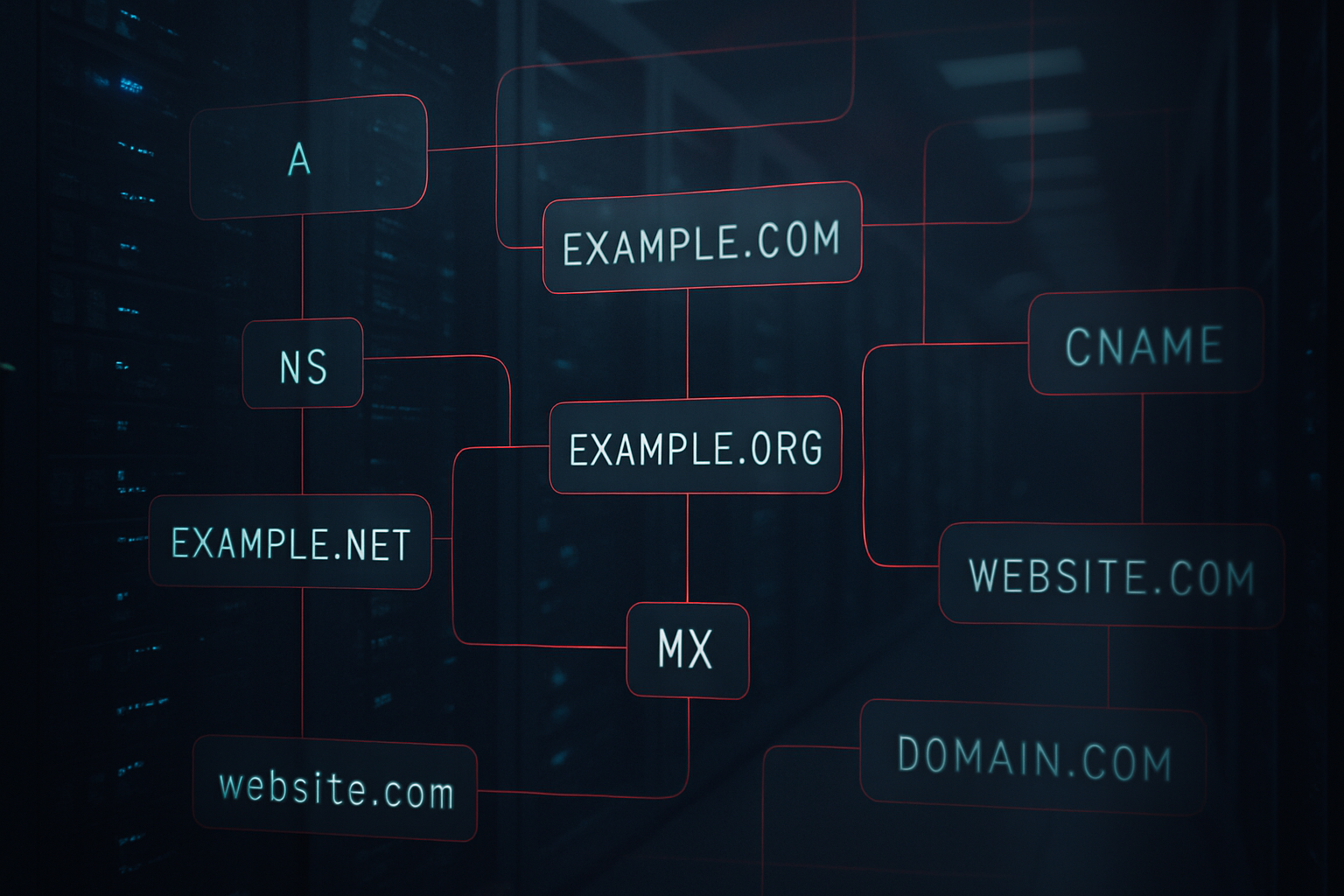
Domain seizure is not the same as taking down a web server. When U.S. authorities seize a domain, they typically work through ICANN-accredited registrars to redirect the domain's DNS records to a government-controlled nameserver. The hosting infrastructure itself may remain untouched—only the domain's routing is altered. This is a crucial distinction for operators to understand.
The effectiveness of a seizure depends entirely on the registrar's cooperation and jurisdiction. If a domain is registered with a U.S.-based registrar, compliance is typically immediate. The enforcement action documented by TorrentFreak reveals that some of the largest streaming operations continued operating through alternative domains, suggesting their infrastructure was never directly compromised—only their primary public-facing domain was disabled.
Jurisdiction and Registration Strategy
Operators of legally contentious services often register domains through registrars in non-U.S. jurisdictions specifically to complicate seizure procedures. Registrars in Eastern Europe, Asia, and other regions without mutual legal assistance treaties with the U.S. present higher barriers to domain takeover. Additionally, some registrars simply ignore DMCA and seizure requests as a matter of policy.
However, even domains registered offshore face pressure through ICANN's dispute resolution mechanisms and, more recently, through payment processor freezes. Many offshore registrars rely on international payment infrastructure, which creates a secondary vulnerability. A service can maintain a domain registration but become unable to renew or modify it if payment channels are blocked.
The Hosting and DNS Layer
The real resilience in a streaming operation lies in separating the domain layer from the hosting layer. A site using a nameserver provider in a non-cooperative jurisdiction can quickly redirect traffic to new domains or subdomains if its primary domain is seized. This explains why large pirate operations often survive individual domain seizures—their actual servers and content delivery infrastructure remain operational.
Streaming services handling substantial video bandwidth typically rely on dedicated server infrastructure or content delivery networks. The hosting itself—the actual servers serving video—is harder to seize than a domain record. This creates an asymmetry: authorities can disable public access by targeting the domain, but the underlying infrastructure persists.
What This Means for Hosting Providers
Hosting providers in DMCA-safe jurisdictions receive takedown requests for streaming sites regularly. How they respond depends on local law and their stated policies. Some providers in offshore locations accept these requests as a courtesy; others do not acknowledge them. This creates a decision point for operators: use compliant providers with strong reputations and legal certainty, or rely on providers in jurisdictions that ignore enforcement requests.
The enforcement action itself highlights a fundamental limitation: law enforcement can interrupt service availability through domain seizure, but cannot eliminate the technical capacity to serve content. Pirate operations with distributed infrastructure and offshore registration can typically resume operations within hours by obtaining new domains or using existing backup domains.
Lessons in Resilience
From a purely technical perspective, the durability of pirate streaming operations depends on whether their operators treat domain names as disposable and maintain redundant registration and DNS infrastructure. Services that treat domains as permanent assets and register only with U.S. providers fail quickly. Those treating domains as ephemeral identifiers pointing to persistent infrastructure survive seizures routinely.
This dynamic does not endorse or encourage piracy, but it does illustrate why domain seizures alone are insufficient enforcement tools. The technical architecture of distributed hosting, redundant domains, and offshore DNS can make seizures largely performative—affecting public visibility more than actual operational capacity.
As enforcement actions continue, the infrastructure decisions made by both legitimate and illegitimate services will continue to reflect these realities. Jurisdiction, registrar choice, and DNS resilience remain the primary factors determining how quickly a service can resume operation after a domain seizure.